Knee & Hip Implants
Intricate surgical implants demand precision, from their complex forms to the smallest surface details. We brought MicroPort Orthopedics’ designs to life in 3D.
Jump to gallery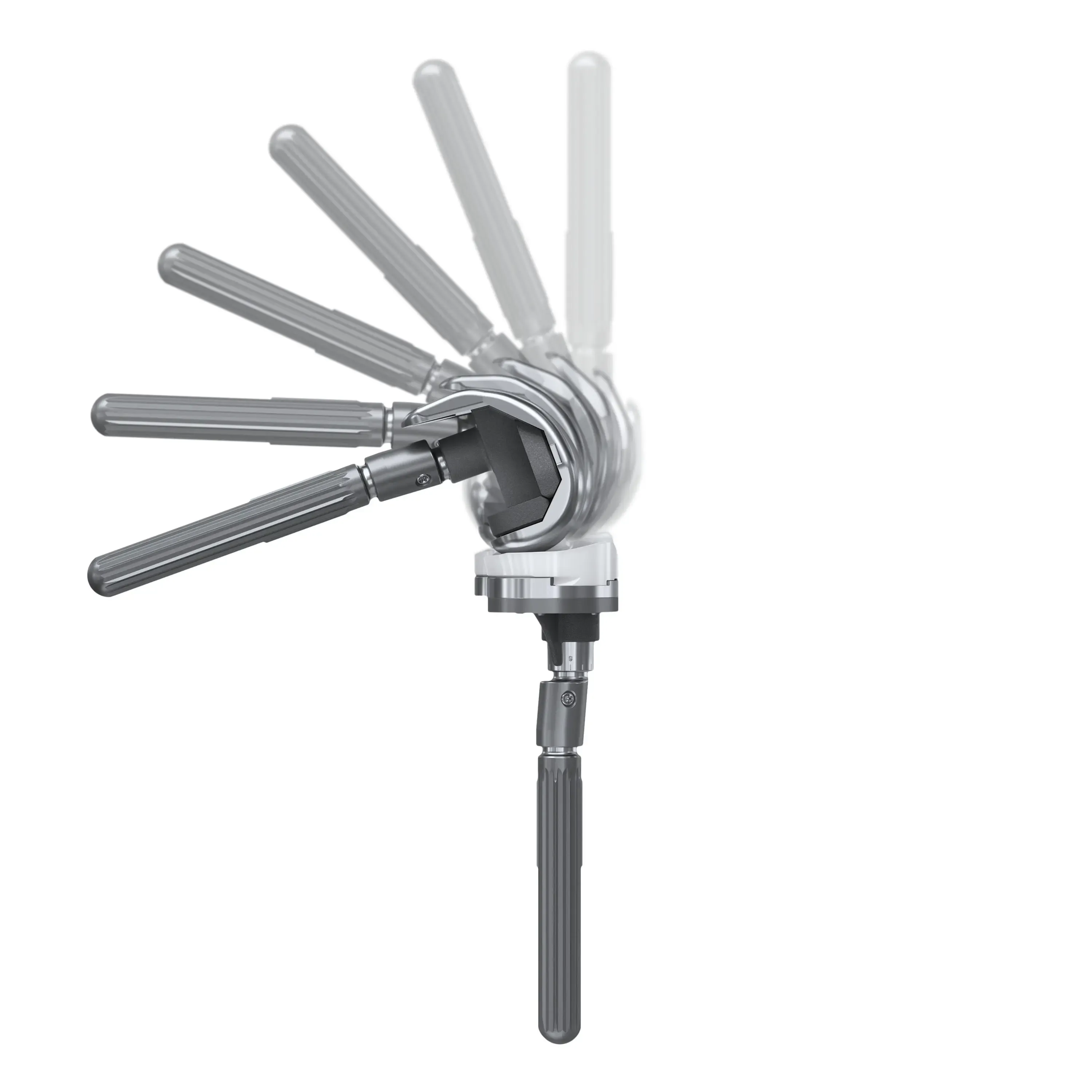
The challenge
MicroPort Orthopedics needed a collection of high-quality images for its hip and knee implant devices, including products that had not yet reached final manufacturing. The project required us to work from 3D CAD, a prototype sample, and our own growing understanding of the products to create accurate imagery from a range of angles and compositions.
The greatest challenge was the materials. The implants featured highly specialized surfaces, including a coarse, coral-like "biofoam" texture that covered the exterior of one of the hip implant shells. At large print resolutions of up to 9K, even subtle surface details needed to hold up under close inspection.
Our approach
We began with the supplied CAD files and a physical prototype, using both as references while refining the models and developing the materials. Because the products were medical implants, understanding how the individual components fit together and what each surface represented was an important part of preparing the assets for photorealistic rendering.
The biofoam surface required particular attention, with a custom texture developed to reproduce its irregular, porous structure at close range. Other materials were also carefully developed to capture their subtle variations in color, grain, and surface finish. The final scenes were rendered at resolutions up to 9K, requiring the materials and geometry to remain convincing even at very large scale.
Services
- 3D Product Rendering
Deliverables
- 140 Renderings
- 9K Resolution
Reference
- 3D CAD Files
- Physical Samples
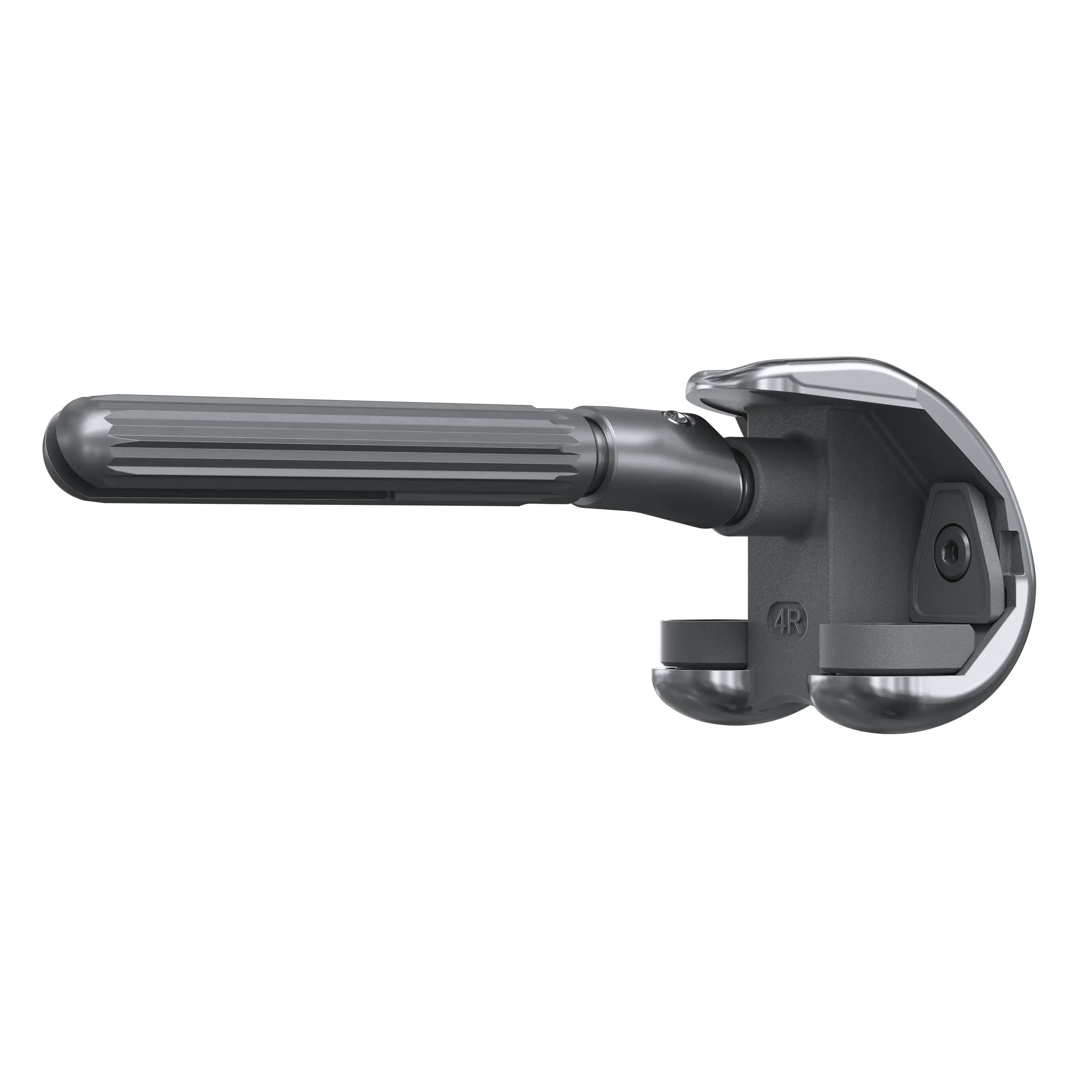
For medical devices, visual accuracy carries a different weight. The imagery needs to communicate the form and construction of the product clearly while maintaining the level of realism expected from a high-end product rendering. In this case, the smallest surface details were particularly important because they helped communicate the specialized nature of the implants.
The project was a valuable introduction to a highly technical product category and demonstrated the importance of combining careful reference research with detailed 3D modeling and material development. The resulting images gave MicroPort Orthopedics high-resolution visuals for products that weren't yet available to photograph, while allowing the implants to be presented with the level of detail their design demanded.
Gallery
Ready to bring your product to life in 3D?
Contact us today and we'll reply with our thoughts and next steps within one business day.